
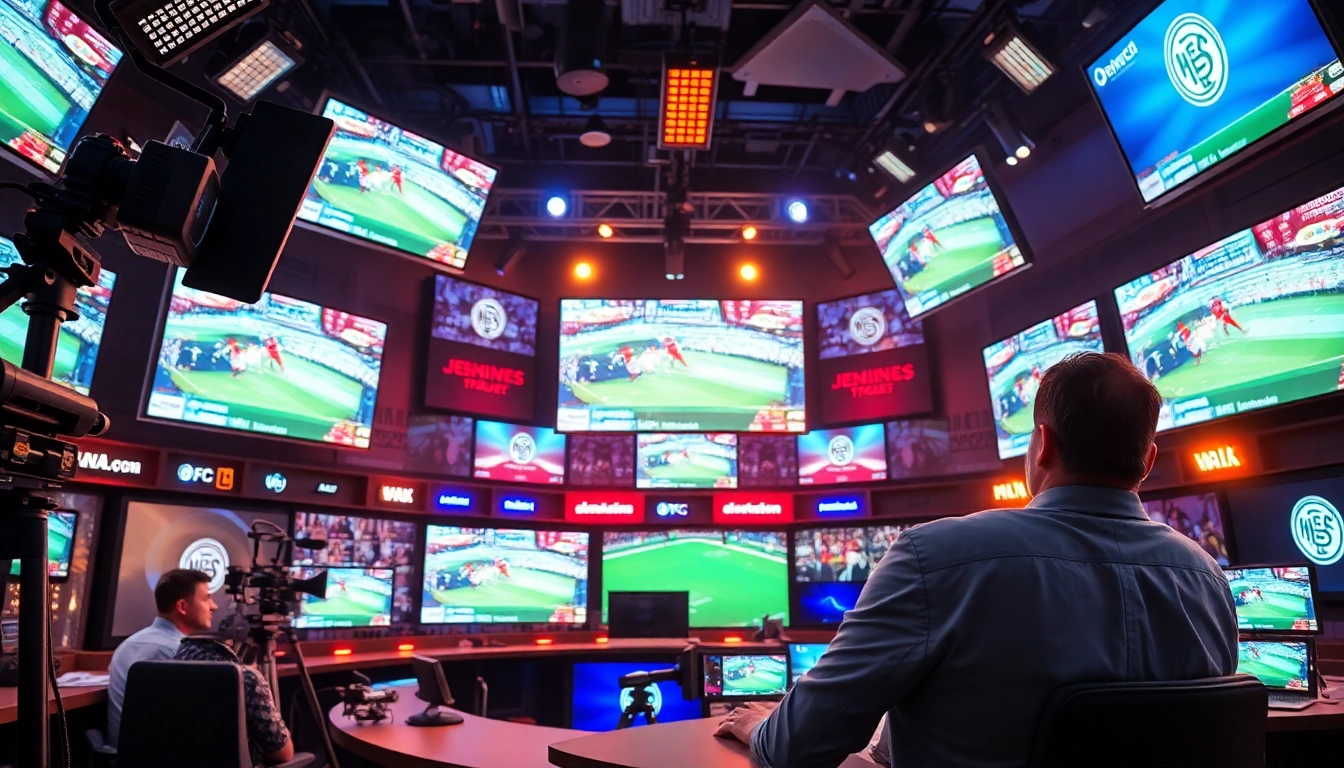
The Evolution of Sports Broadcasting
Sports broadcasting has become an integral part of the sports experience, offering fans a chance to engage with their favorite teams and athletes, no matter where they are. This development is defined by technological advancements and cultural shifts that have changed the way sporting events are experienced. The Sports Broadcasting landscape has evolved dramatically, and understanding its history and milestones offers key insights into its future.
The History of Sports Broadcasting
The foundation of sports broadcasting can be traced back to the early 20th century when radio emerged as a popular medium. The first sports broadcast occurred in 1921 when a boxing match was aired live. This marked the beginning of a new era, allowing fans to tune in from home and feel the thrill of live sports. The rise of television in the 1950s further revolutionized sports broadcasting by providing visual coverage, enabling audiences to experience the excitement of games in real time.
As sports continued to grow in popularity, so did the broadcasting techniques. The introduction of color broadcasts in the 1960s and the establishment of dedicated sports channels like ESPN in the late 1970s opened the doors for extensive coverage of various sports, contributing to the globalization of sports culture. Today, sports broadcasting is a multi-billion-dollar industry that encompasses everything from traditional television coverage to digital streaming, catering to diverse viewer preferences around the world.
Milestones in Sports Broadcasting Technology
Throughout its history, several technological milestones have significantly influenced sports broadcasting. The introduction of instant replay in the 1960s allowed broadcasters to show pivotal moments in slow motion, enhancing viewer engagement and understanding. This was followed by the development of high-definition (HD) broadcasting which drastically improved image quality, bringing viewers closer to the action than ever before.
The 1990s saw the emergence of the internet as a platform for sports broadcasting, leading to online streaming services where fans could watch events on various devices. The proliferation of smartphones and mobile applications has since enabled fans to access sports content wherever they are, further changing how audiences engage with their favorite sports.
In recent years, advancements like 4K resolution and virtual reality (VR) have begun to reshape the broadcasting landscape again. These technologies offer immersive experiences where fans can feel as if they are part of the game, driving the future of sports broadcasting in exciting new directions.
The Impact of Streaming Services on Sports Broadcasting
Streaming services have profoundly changed the way sports are consumed, allowing for on-demand viewing and access to a wider range of sports content. Major platforms such as Amazon Prime, Hulu, and YouTube have entered the sports broadcasting domain, offering exclusive rights to tournaments and leagues that were traditionally dominated by cable channels.
This transition has fundamentally altered consumer behavior. Fans now expect flexibility in terms of viewing options, including the ability to watch games on multiple devices, pause, rewind, or even access multiple camera angles. As a result, traditional broadcasters have had to adapt quickly, often entering partnerships with streaming platforms to remain relevant in an increasingly competitive market.
Overall, the impact of streaming services has led to increased accessibility for fans, democratizing access to sports content and creating opportunities for niche sports to gain exposure that was previously unattainable on traditional platforms.
Essential Skills for Sports Broadcasting Professionals
In the fast-paced world of sports broadcasting, having a diverse skill set is crucial for professionals aiming to engage an audience effectively. From technical knowledge to interpersonal skills, several competencies are essential for success in this dynamic field.
Understanding Audience Engagement in Sports Broadcasting
Successful sports broadcasters must have a firm grasp of audience engagement strategies. This means understanding viewer demographics, preferences, and behaviors to create content that resonates with them. Researching trending topics, analyzing viewer feedback, and engaging with fans through social media platforms are vital components of a broadcaster's role. Furthermore, creating interactive experiences, such as live polls and Q&A sessions during broadcasts, can help nurture audience involvement and loyalty.
Key Communication Techniques for Hosts
Communication is paramount in sports broadcasting. Broadcasters must convey enthusiasm and clarity while recapping events or delivering news. Effective storytelling techniques, such as building suspense during a game or providing background information about players, enhance viewer experience. Developing a unique style that resonates with the audience helps create a memorable brand identity. Additionally, adapting tone and pace according to the context of coverage, be it a fast-paced game or an interview, is essential.
Technical Skills Every Sports Broadcaster Needs
In today's technological landscape, proficiency with broadcasting equipment, software, and tools is necessary. Sports broadcasters should be familiar with video editing software, sound mixing equipment, and live-streaming platforms. Understanding how to use graphics and statistics to enhance storytelling is also important for keeping an audience engaged. Technical training can significantly improve the quality of broadcasts and contribute to smoother production processes.
Best Practices in Sports Broadcasting
To stand out in the competitive landscape of sports broadcasting, professionals must adhere to best practices that enhance production quality and engage audiences effectively.
Creating Compelling Content for Live Feedback
Crafting compelling content is essential for capturing and maintaining audience interest. Engaging narratives can transform a mundane game into an extraordinary viewing experience. Broadcasters should focus on creating content that blends analytical insights with entertaining commentary. Prepare interviews with players, explore historical moments, and highlight behind-the-scenes activities to create dynamic broadcasts that offer fresh perspectives.
Building Relationships with Athletes and Teams
Developing relationships with athletes, coaches, and teams can provide exclusive insights that enrich broadcast content. Access to interviews or behind-the-scenes stories can elevate viewer interest. Establishing trust with subjects will encourage openness when sharing their experiences or emotions, ultimately resulting in more authentic coverage. Consistently being present at events fosters an environment of collaboration that benefits everyone involved.
Maintaining Ethical Standards in Sports Broadcasting
Ethics play a critical role in sports broadcasting. Broadcasters must strive for accuracy and fairness, presenting facts without bias. Respecting the rights and confidentiality of athletes and adhering to broadcasting regulations are vital to maintain credibility. Transparency about sponsorships and partnerships is also crucial to build trust with audiences, further solidifying a broadcaster’s reputation within the industry.
Technological Innovations in Sports Broadcasting
The landscape of sports broadcasting continues to evolve as technological innovations emerge. From VR to data analytics, these advancements significantly enhance the viewing experience and provide broadcasters with new tools for storytelling.
The Role of Virtual Reality and Augmented Reality
Virtual reality (VR) and augmented reality (AR) are two of the most exciting innovations in sports broadcasting. VR allows fans to immerse themselves in a 360-degree experience, potentially feeling as if they are part of the game. AR can overlay statistics and player information onto live broadcasts, providing a richer context for viewers. These technologies not only engage fans in new ways but also attract younger audiences who seek interactive experiences.
Data Analytics in Sports Broadcasting
Data analytics has become an indispensable tool in sports broadcasting. Broadcasters utilize various metrics for in-depth analysis and commentary, enhancing storytelling during broadcasts. Understanding player statistics, team performance, and historical trends allows broadcasters to provide insightful observations. Moreover, real-time analytics can inform game strategies, leading to richer discussions during live commentary.
Future Trends: AI in Sports Broadcasting
Artificial intelligence (AI) is set to revolutionize sports broadcasting further. AI can analyze vast amounts of data, automating production tasks such as highlight generation and audience segmentation. Predictive analytics can offer insights into viewer preferences, enabling targeted marketing strategies and customized content delivery. As AI technology advances, we anticipate that it will enhance production quality and operational efficiency within the industry.
Navigating Challenges in Sports Broadcasting
Despite the exciting advancements in sports broadcasting, professionals face numerous challenges. Adapting to changes in technology, managing unexpected incidents live on air, and navigating regulatory landscapes are just a few hurdles broadcasters must overcome.
Managing Crisis Situations Live on Air
Crisis management is a critical skill for sports broadcasters. Unexpected events, such as injuries or controversies, can arise at any moment. Broadcasters must remain calm and composed during live coverage, addressing the issue transparently while providing accurate information. Effective crisis communication requires a balance between professionalism and empathy, ensuring that audiences feel heard and informed.
Adapting to Rapidly Changing Technologies
Rapid technological advancements can be overwhelming for professionals in sports broadcasting. To stay relevant, broadcasters must continuously update their skills and knowledge. Regular training programs and workshops can help professionals stay proficient in new tools, techniques, and best practices, ensuring they adapt successfully to the ever-evolving landscape of broadcasting technology.
Regulatory Considerations in Sports Broadcasting
Sports broadcasters must also navigate a complex web of regulations and compliance requirements. Understanding copyright laws, broadcasting rights, and advertising regulations is paramount to avoid legal issues. Staying informed about changes in regulations and adhering to ethical standards is essential for maintaining credibility and ensuring sustainable operations.
FAQs About Sports Broadcasting
What is sports broadcasting?
Sports broadcasting involves covering live sporting events and providing commentary, analysis, and insights through various media, including television, radio, and online platforms.
How has technology impacted sports broadcasting?
Technology has transformed sports broadcasting through innovations like instant replay, HD broadcasting, and streaming services, improving accessibility and viewer engagement.
What skills are needed for a career in sports broadcasting?
Essential skills include communication, audience engagement, technical proficiency, and relationship-building with athletes and teams to deliver dynamic content.
How do streaming services change sports broadcasting?
Streaming services democratize access to sports content, providing viewers with on-demand options and wide-ranging coverage that traditional cable channels may not offer.
What role does data analytics play in sports broadcasting?
Data analytics provides broadcasters with insights into viewer behaviors and player statistics, supporting informed commentary and enhancing the storytelling aspect of broadcasts.