
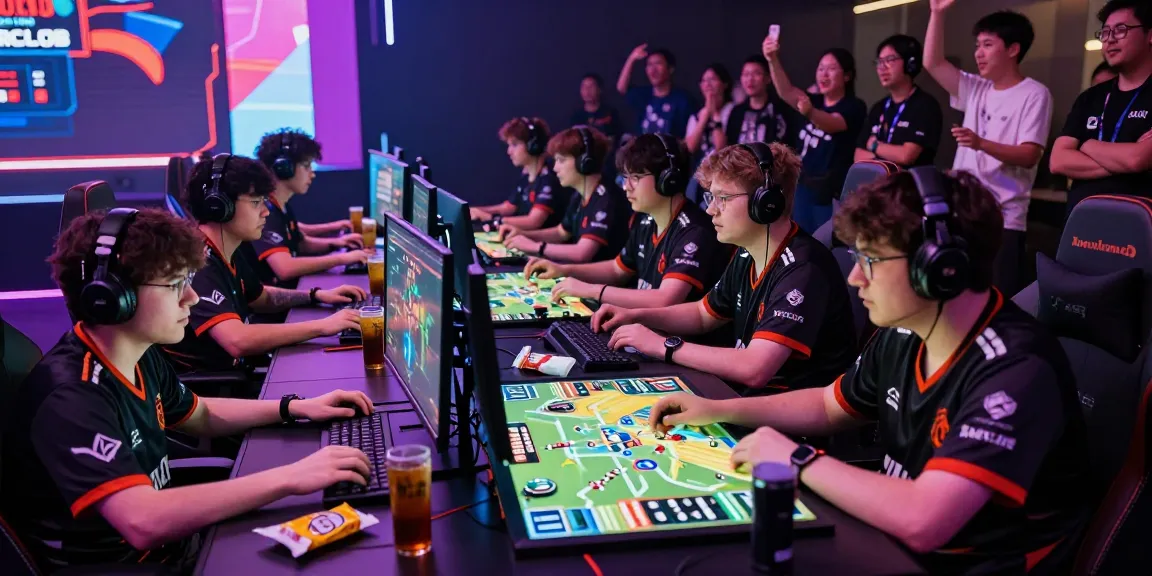
The Rise of Hitclub in Competitive Gaming
As competitive gaming continues to evolve, hitclub has emerged as a significant player in the esports landscape, attracting gamers and spectators alike. This phenomenon is not just a surge in gaming popularity; it reflects a deeper engagement with digital entertainment. Understanding the dynamics of this rise requires an exploration of community involvement, market growth, and the technological advancements that are reshaping how we play and engage with games. As more players enter the competitive arena, the implications for both amateurs and professionals are profound.
Understanding the Hitclub Phenomenon
The term “hitclub” denotes more than a mere gaming platform; it represents a cultural shift within the gaming community. Players are drawn to the shared experience, competitive thrill, and the opportunity to build skills in a dynamic environment. Esports has transformed from niche hobbyist gatherings into globally recognized events, with millions tuning in to watch competitions online or in arenas. This shift is indicative of a broader acceptance and integration of gaming into mainstream culture.
Market Growth and Community Engagement
The growth trajectory of hitclub can be directly linked to its vibrant community engagement strategies. Platforms that facilitate communication and competition have seen exponential growth. Players are not only competing for prizes but are also forming bonds and networks that enhance their gaming experience. According to recent statistics, the global esports audience is projected to reach over 600 million by 2026, highlighting an unprecedented interest in competitive gaming.
When exploring options, hitclub provides comprehensive insights into the latest trends shaping this growth, allowing enthusiasts to stay informed and engaged.
Impact of Technology on Gameplay Dynamics
Technological advancement plays a pivotal role in the rise of hitclub. Innovations such as virtual reality (VR), augmented reality (AR), and artificial intelligence (AI) are redefining gameplay. These technologies are not only enhancing visual experiences but also improving game mechanics, making them more immersive and competitive. For example, AI algorithms are now being used to tailor in-game experiences according to player preferences, offering personalized challenges that keep players coming back.
Key Trends Shaping Hitclub Gaming
Emerging Technologies in Esports
The esports industry is at the forefront of technological advancement, with emerging tools that enhance gameplay and viewer experience. Streaming technology has improved significantly, providing high-definition broadcasts and interactive elements that engage viewers in real-time. Additionally, the integration of blockchain technology is introducing new avenues for player compensation and ownership of in-game assets, fundamentally changing how players interact with their games.
Changing Audience Demographics
The demographics of the esports audience are shifting, with a noticeable increase in diversity. While traditionally seen as a predominantly young and male space, current trends reveal a more balanced audience that includes older players and a growing number of female gamers. This diversification is influencing the types of games that gain popularity and the way content is produced and marketed.
The Influence of Streaming and Content Creation
Streaming services like Twitch and YouTube Gaming have revolutionized how esports is consumed. The accessibility of live broadcasts allows players to showcase their skills and build personal brands as content creators. Gamers now have the opportunity to monetize their gameplay through sponsorships, donations, and merchandise sales. This trend not only increases competitiveness but also fosters a sense of community among viewers and players.
Strategies for Success within Hitclub
Building a Brand in Esports
Successful teams and players in the hitclub arena understand the importance of branding. Establishing a unique identity is crucial, both for attracting fans and for securing sponsorship deals. This involves not only showcasing skill in-game but also engaging with followers on social media and other platforms. Consistency in content delivery and interaction significantly boosts a player’s or a team’s visibility in the crowded esports market.
Effective Team Management and Training
Behind every successful esports team is a strong management strategy. Effective team management involves not only tactical training but also mental health awareness and fostering camaraderie among team members. Coaching staff are increasingly focusing on strategies for collaboration and communication during gameplay, which are vital for success in high-stakes environments.
Leveraging Sponsorships and Partnerships
Securing sponsorships is key to funding competitive gaming pursuits. Teams that can demonstrate a strong audience engagement and a solid brand presence will attract lucrative partnerships. This can include collaborations with gaming manufacturers, energy drinks, and tech companies. It’s essential for teams to actively seek out partnerships that align with their values and audience demographics.
Real-World Case Studies in Hitclub Gaming
Success Stories of Prominent Teams
Several teams have carved out successful narratives in hitclub gaming that can serve as models for emerging squads. For instance, Team Liquid and FaZe Clan have effectively leveraged both performance and community engagement to transcend traditional esports boundaries, becoming lifestyle brands that resonate with broader audiences.
Innovative Marketing Campaigns in Esports
Esports organizations are increasingly employing innovative marketing strategies to capture and retain audience attention. Campaigns often utilize social media challenges, influencer partnerships, and interactive content to boost engagement. For example, the collaboration of top-tier teams with popular Twitch streamers can amplify reach and diversify audience engagement.
Lessons Learned from Failures
Not every venture in esports leads to success. Teams and brands that fail to adapt to audience trends or leverage emerging technologies often find themselves struggling. Analyzing these failures provides valuable insights into what not to do, helping others to navigate the complex landscape of competitive gaming more effectively.
The Future Landscape of Hitclub Gaming
Predictions for Esports Growth in 2026
As we look towards 2026, predictions indicate that the esports industry will continue to flourish, possibly reaching a market valuation of over $1.5 billion. Key factors contributing to this growth include increased investment in esports leagues, larger prize pools, and an expanding base of both players and spectators.
Regulatory Changes and Their Impact
With the rapid growth of esports, regulatory bodies are beginning to implement frameworks to establish standards for player rights, transparency in contracts, and fair competition practices. These changes are expected to create a more structured environment that can benefit professional players and teams while ensuring that the integrity of the games is upheld.
Preparing for Upcoming Gaming Technologies
Future developments in gaming technology will play an essential role in shaping the esports landscape. With advancements in VR and AR, the possibilities for immersive gameplay are virtually limitless. Players and organizations that can adapt to these technologies early will likely have a competitive edge in upcoming tournaments.
What Should You Know About Competitive Gaming?
For newcomers, understanding the dynamics of competitive gaming goes beyond just playing the game. Knowledge of the community, different game genres, and tournament formats is crucial. Engaging with fellow gamers, both online and offline, provides insights and enhances the overall experience.
How Can I Get Involved with Esports?
Getting involved in esports can take many forms, whether it’s through playing competitively, creating content, or working behind the scenes. Aspiring players should focus on honing their skills and finding teams to join, while those interested in content creation can start streaming or producing videos to build a following.
What Challenges Do Esports Players Face?
Esports players encounter numerous challenges, including intense competition, the pressure to perform, and maintaining a healthy work-life balance. Mental health is an increasingly important topic in the industry, with resources becoming available to support players navigating these stresses.
What’s the Importance of Community in Gaming?
Community forms the backbone of the esports ecosystem. It fosters collaboration, support, and shared experiences among players and fans. Cultivating a sense of community helps to create an inviting atmosphere for both newcomers and seasoned gamers, ultimately enhancing the overall experience.
How Are Sponsorships Evolving in Hitclub?
Sponsorships in hitclub are evolving as brands see the potential of reaching younger demographics through esports. Companies are now investing in long-term partnerships that offer not just financial support, but also strategic marketing assets that can enhance brand visibility in an authentic way.